The Practical Guide to Commercial Roofing Austin Property Owners Need
Commercial roofing in Austin is not a one-size-fits-all proposition. Between the intense summer heat, the occasional hail storm, and the rapid freeze-thaw cycles in winter, the local climate puts a serious strain on any roof. I have spent years working on commercial properties across Central Texas, and I can tell you that the difference between a roof that lasts twenty years and one that starts leaking after five often comes down to material selection and proper installation, not just luck.
When property owners start asking about commercial roofing Austin, they usually want to know what lasts and what costs the least over time. The short answer is that no single material wins for every building. But the informed choice depends on roof slope, building use, budget, and how long you plan to own the property. Let me walk you through the main options and what I have seen work best in this market.
Low-Slope and Flat Roof Systems
Most commercial buildings in Austin use low-slope or flat roofs. That means water drainage has to be engineered carefully, and the membrane has to handle standing water for short periods after heavy rain. The three most common low-slope systems I work with are single-ply membranes, modified bitumen, and built-up roofing.
Single-Ply Membranes: TPO, PVC, and EPDM
Single-ply systems are probably the most popular choice for new commercial construction and re-roofing in Austin right now. TPO roofing is especially common because it reflects heat well, which lowers cooling costs in a climate where air conditioners run almost year-round. A white TPO membrane can reduce surface temperature by a lot compared to dark roofs. PVC roofing is similar but tends to be more resistant to chemicals and grease, which makes it a good fit for restaurants or industrial kitchens. EPDM roofing is the black rubber membrane that has been around for decades. It is durable and cheaper upfront, but it absorbs heat, so it can drive up energy bills in summer.

Each of these materials comes in large sheets that are heat-welded or glued down. The seams are the weak point, so I always emphasize that installer skill matters more than the brand of membrane. A poorly welded TPO roof will fail at the seams long before the material itself wears out.
Modified Bitumen and Built-Up Roofing
Modified bitumen is essentially asphalt with polymer modifiers, often reinforced with fiberglass or polyester. It comes in rolls and is torched down or applied with hot asphalt. I see these roofs on older buildings and on structures where the roof gets foot traffic, because modified bitumen handles punctures better than single-ply does. Built-up roofing is the old-school method: multiple layers of felt and asphalt, topped with gravel or a reflective coating. It is labor-intensive and heavy, but it can last a long time if the base is solid. In Austin, I have seen built-up roofs that held up for thirty years with proper maintenance.
The trade-off with these systems is that they are darker and absorb more heat, which can increase cooling loads. However, a good roof coating - especially a white elastomeric coating - can be applied over them to improve reflectivity and extend service life.
Steep-Slope Options: Metal Roofing and Standing Seam
Some commercial buildings, especially warehouses and retail strip centers, use sloped metal roofs. Metal roofing is durable, light, and can last forty years or more if the steel is properly coated. Standing seam panels are the premium choice here. The panels interlock vertically, so there are very few exposed fasteners. That means fewer leak points and better performance in wind-driven rain. I have seen standing seam roofs survive Austin hailstorms that shredded asphalt shingles on nearby houses.
The downside is that metal conducts heat. Without adequate roof insulation and ventilation, a metal roof can turn a building into an oven. I always recommend adding reflective roof coatings or a cool roof system under the metal to manage heat gain. And never forget that the fastening system has to allow for thermal expansion, or the panels will buckle.
Specialty Systems: Spray Polyurethane Foam and Green Roofing
Spray polyurethane foam is not common on every commercial job, but it is fantastic for irregular roof shapes and areas where you need both insulation and waterproofing in one step. The foam expands to fill gaps and forms a seamless, monolithic layer. It works well on domes, curved roofs, and around roof penetrations like skylights and roof vents. However, it requires a protective coating because UV light degrades the foam quickly. A liquid-applied membrane or a heavy acrylic coating usually does the job.

Green roofing is still rare in Austin, but I have seen it on a few high-end office buildings and municipal structures. It involves a waterproof membrane, drainage systems, a root barrier, and a growing medium for plants. The benefits are real: stormwater retention, reduced urban heat island effect, and longer roof life because the plants protect the membrane from UV. But the upfront cost is high, and the structural load requires engineering. It is not for every budget.
Key Components That Make or Break a Roof
Beyond the main roofing material, several components determine whether a commercial roof performs well over time:
- Roof flashing around edges, curbs, and penetrations must be installed with care. Flashing is the most common place for leaks to start, especially where a vertical wall meets the flat roof.
- Roof drains and drainage systems need to be kept clear. In Austin, leaves from live oaks can clog drains within weeks. A clogged drain on a flat roof can cause ponding that leads to membrane failure.
- Roof vents allow moisture trapped in the insulation or deck to escape. Without them, vapor pressure can cause blisters and delamination.
- Skylights bring in natural light but need proper curbs and flashing to avoid leaks. I have replaced many skylight curbs that were not flashed correctly from day one.
Energy-Efficient Roofing and Cool Roofs
With Austin's hot summers, energy-efficient roofing is not a luxury. Cool roofs are designed to reflect more sunlight and absorb less heat than standard dark roofs. A cool roof can lower the surface temperature by 50 degrees Fahrenheit or more, which reduces cooling costs and extends the life of the roof membrane. Many of the single-ply membranes I mentioned earlier, like white TPO and PVC, qualify as cool roofs. For existing dark roofs, a reflective roof coating can achieve similar results at a lower cost.
I have seen buildings with cool roofs save 10 to 15 percent on summer air conditioning bills. The payback period is usually under three years in this climate, and the reduced thermal stress also means fewer repairs over the life of the roof.
Making the Right Choice for Your Building
When you start researching commercial roofing Austin contractors, you will find no shortage of opinions. What I have learned is that the best roof for your building is the one that fits your specific conditions. A church with a large flat roof and a tight budget might be best served by a modified bitumen system with a reflective coating. A new office building with a focus on sustainability might justify a TPO cool roof with integrated skylights and a robust drainage plan.
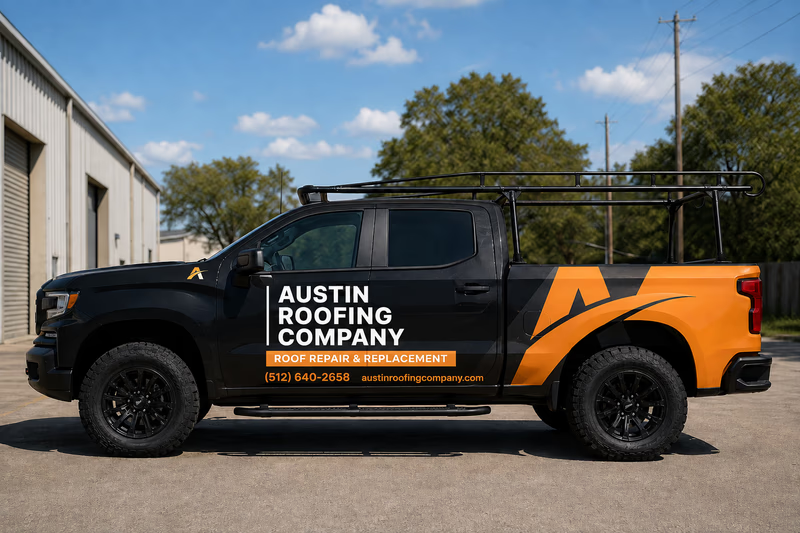
I always recommend hiring a contractor who understands Austin's building codes and climate. The same membrane that works in Dallas may not perform the same way here because of different humidity patterns and hail exposure. And do not let anyone convince you that maintenance is optional. A roof is a mechanical system. It needs regular inspections after storms, cleared drains, and prompt repairs when small issues appear. A stitch in time really does save nine in commercial roofing.
The biggest mistake I see is choosing a roof based solely on the lowest bid. Cheap materials and rushed installation almost always lead to higher costs over the first ten years. A quality commercial roofing Austin installation done right the first time can give you twenty to thirty years of reliable service. That is the kind of return that makes a building owner sleep better at night.